Call for Participation
TEI '27 — Studio Workshop
Food Memories
Exploring Intangible Cultural Heritage
Through Embodied Storytelling
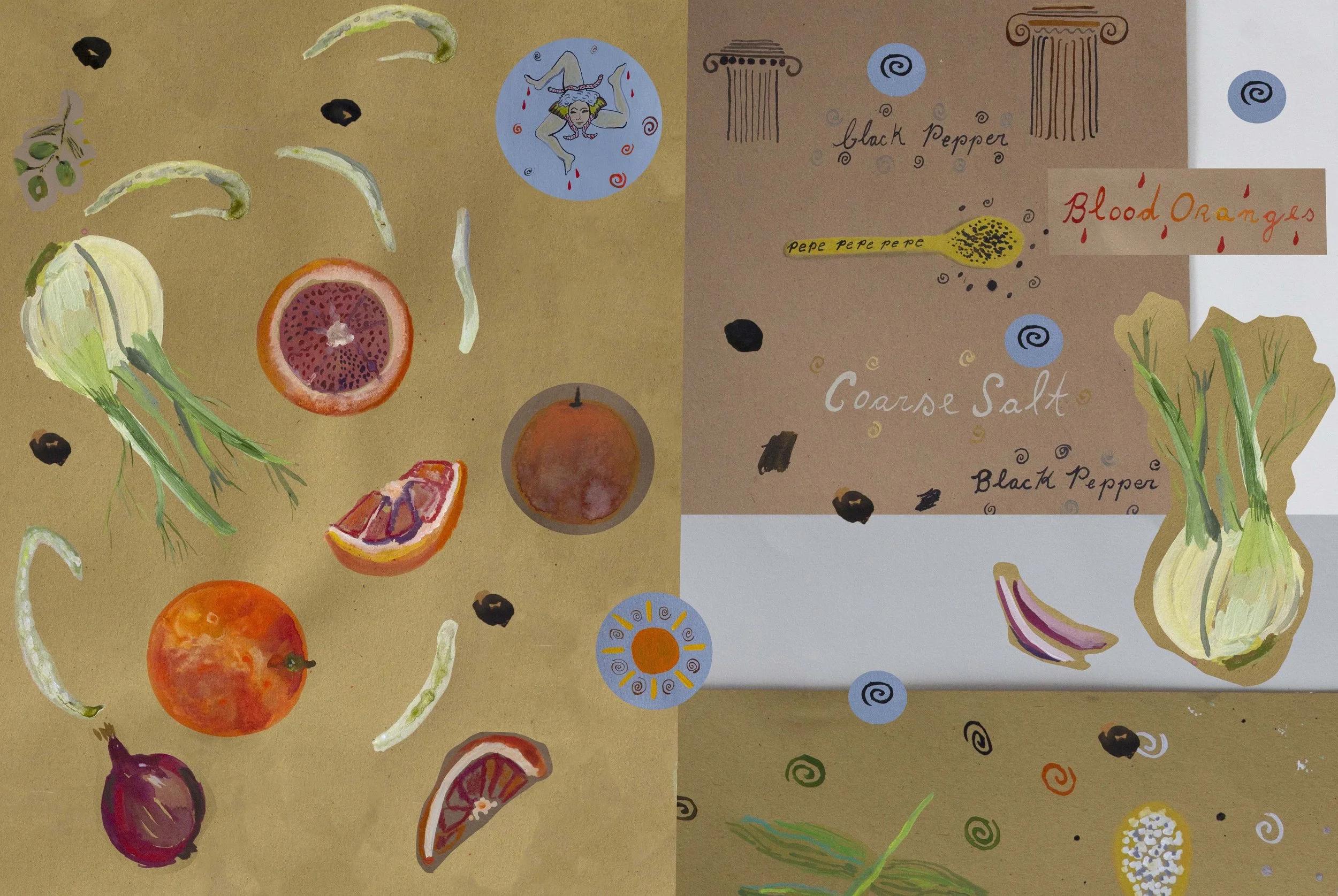
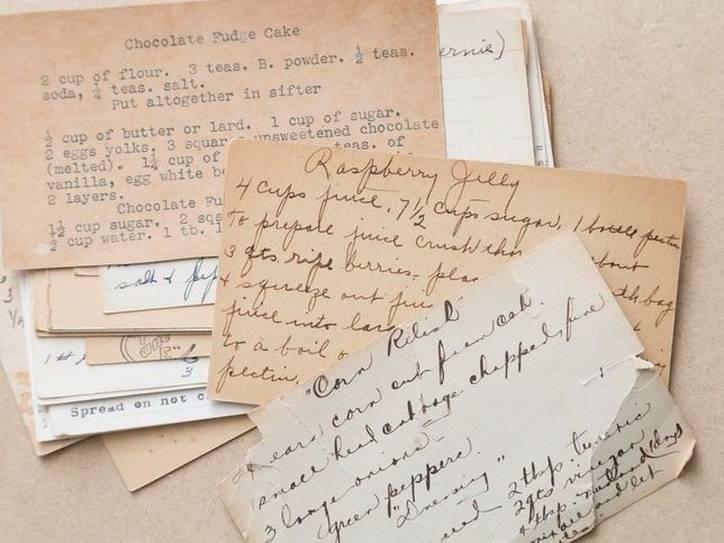
Exploring Intangible Cultural Heritage
Through Embodied Storytelling
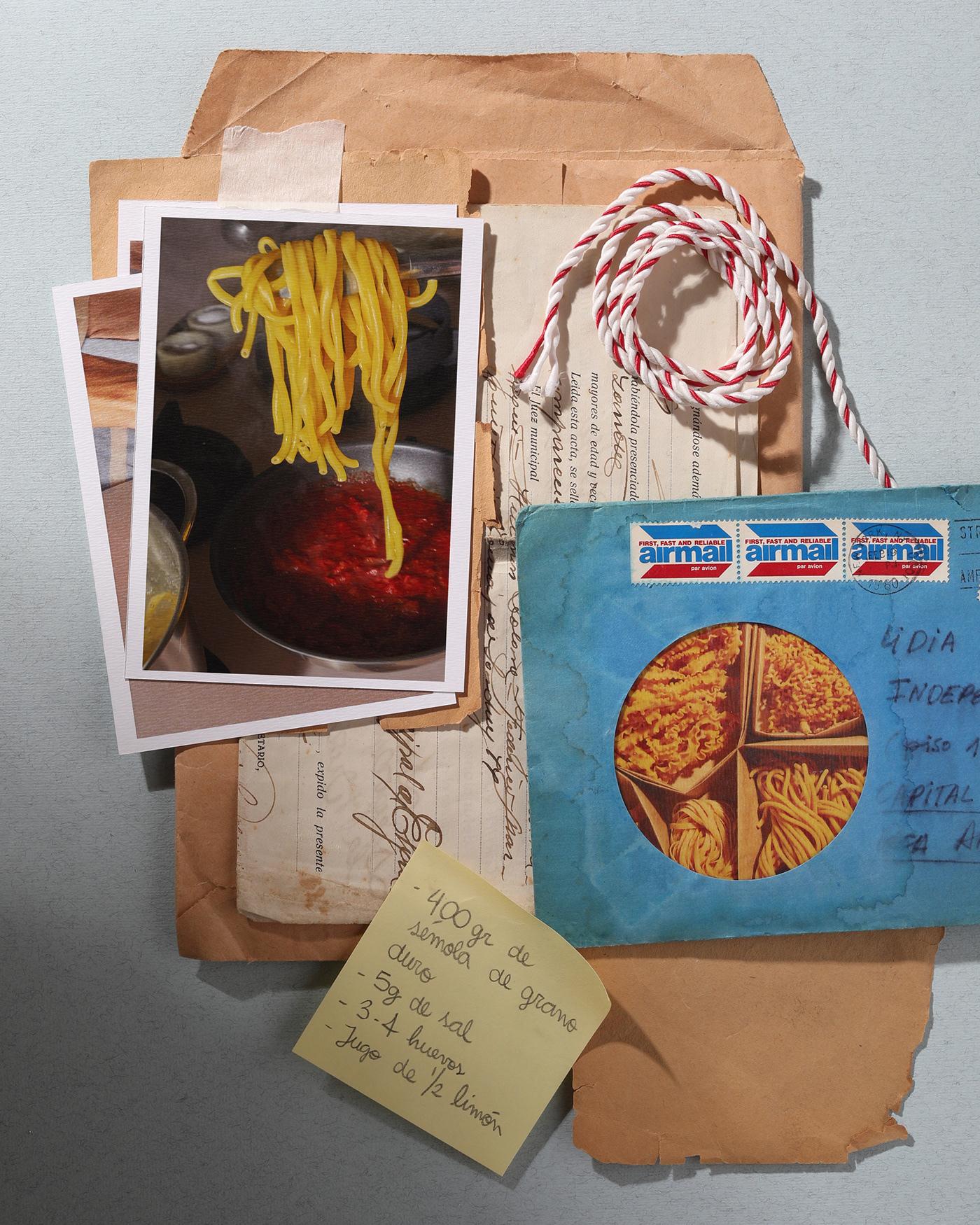
Food is one of the most powerful ways we remember. Yet in HCI and tangible interaction, food is mostly studied in terms of efficiency, nutrition, or eating habits — and much less as a means of remembering.
This studio is a full-day, hands-on workshop for 10–15 participants to explore food memories and culinary heritage through the body and the senses. Participants share dishes that matter to them, make visual maps of the people, places, and rituals around them, and imagine "future recipes" for 50 to 100 years from now.
Participants leave with a method they can adapt for their own research, teaching, or community work.
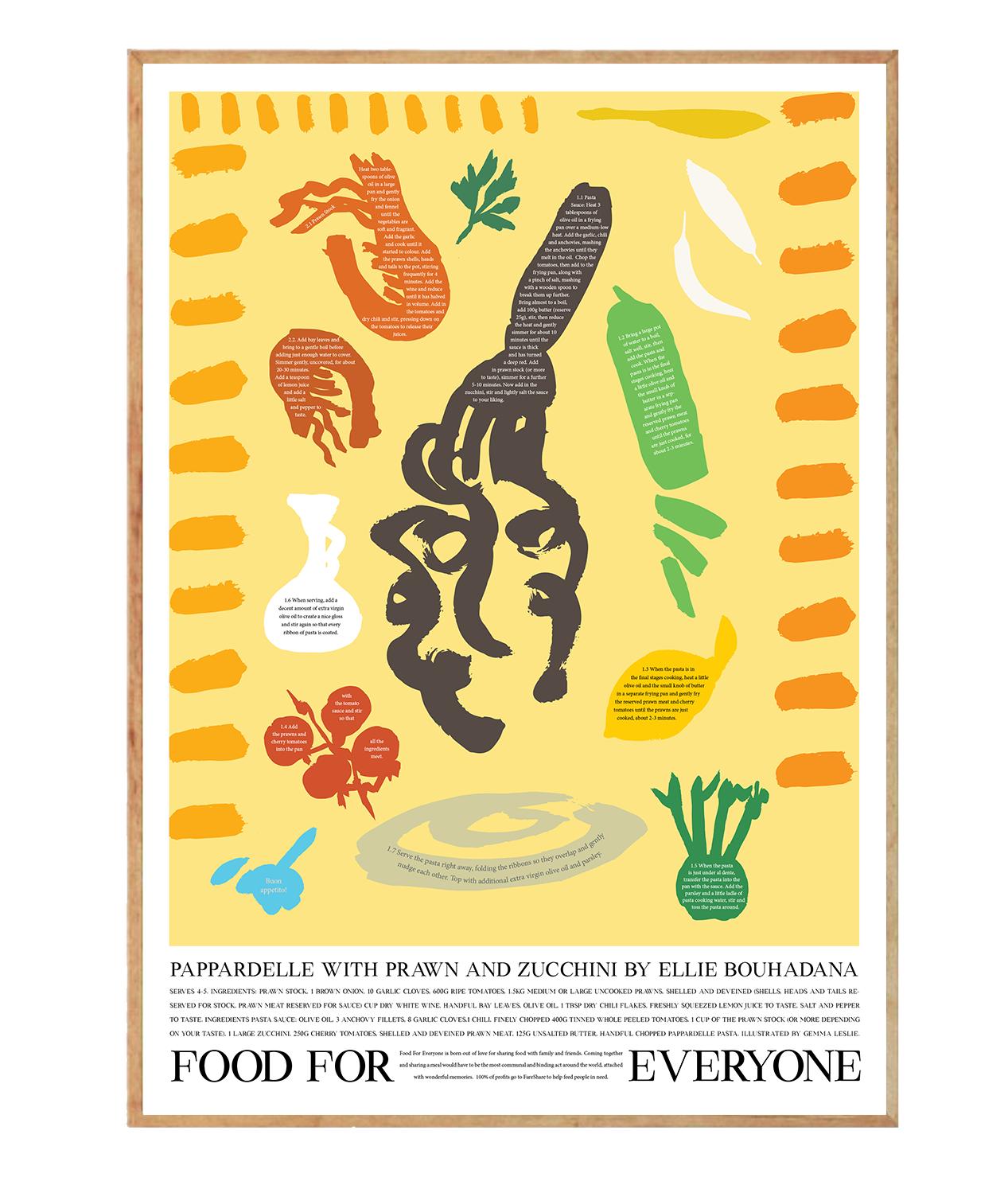
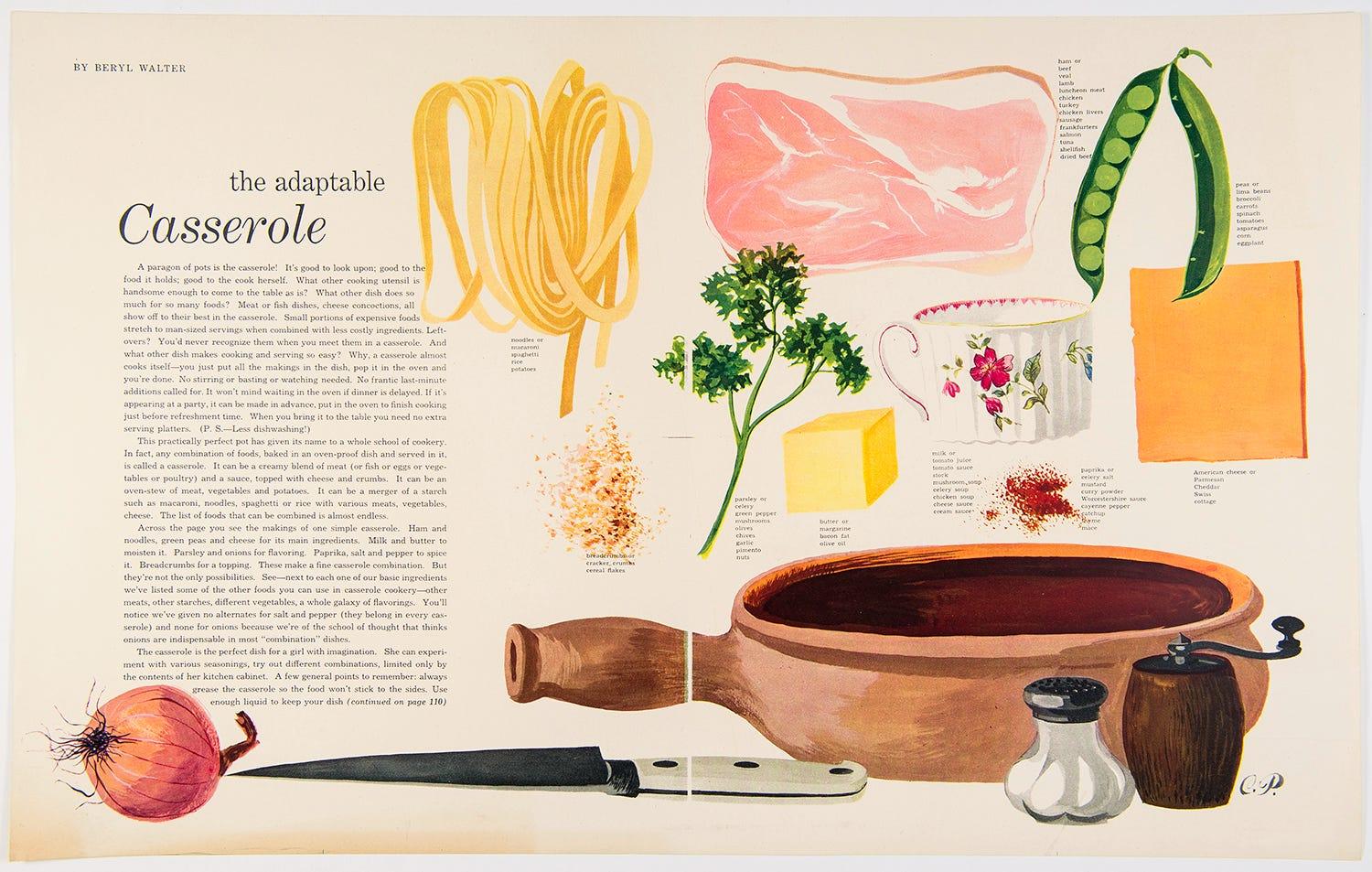
Memories activated through tacit, non-verbal activities of preparing a dish
Exploring taste, smell, texture, colour, and the emotions they evoke
Imagining future recipes and culinary heritage 50–100 years from now
Building relational knowledge through shared food stories and traditions
Share a particular dish, recipe, or moment of conviviality that holds meaning for you. The session begins with facilitators introducing themselves and inviting participants into a safe space.
Create a visual map of food, people, places, and rituals. Using large sheets of paper, spare food magazines, markers, pens, Post-it notes, scissors, and glue — work in pairs to find common ground.
Write a narrative that describes the sensory details of your food memory. Then join a facilitated discussion on "Everyday Eating" — linking past memories to present food habits.
Work in groups to identify common ingredients in your stories and imagine how a shared recipe might evolve 50 to 100 years into the future. Draft adaptation strategies for environmental or cultural challenges.
During the workshop, participants use sensory cards to articulate non-verbal food memories. Draw a card below to explore.
Bittersweet & Earthy
"Think of a dish whose flavour changed as you grew older. What lingered on your tongue?"
Click card to draw another prompt →January 24, 2027 — 09:30 to 17:00
Identify and articulate elements of your own culinary heritage, including memories, rituals, and practices transmitted through family or community.
Apply strategies for tracing and documenting culinary heritage, including sensory description, memory mapping, and narrative reconstruction.
Develop relational knowledge by understanding food traditions of other participants, reflecting on similarities and shared cultural traditions.
Engage in speculative and creative thinking about future food practices, sustainability, and emerging culinary rituals.
Critically assess the role of a digital companion in embodied settings, identifying where it supports or disturbs spatial and social dimensions.
Adapt the methodology for new contexts, such as education, integration programs, or arts-based practices.
Researchers, designers, students, and practitioners at any career stage. No experience in food research is needed. We welcome people from all cultural backgrounds and food traditions.
A method you can adapt for your own research, teaching, or community work, along with new connections and a few good stories.
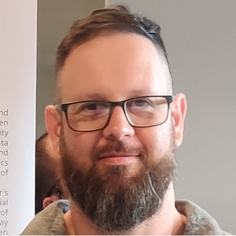
ITI / LARSyS, Instituto Superior Técnico
Universidade de Lisboa
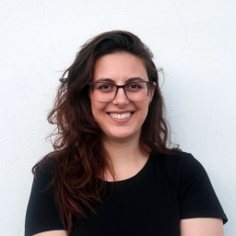
ITI / LARSyS, Instituto Superior Técnico
Universidade de Lisboa
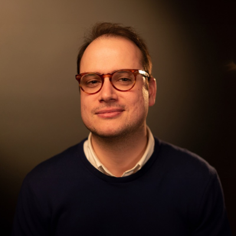
ITI / LARSyS, Instituto Superior Técnico
Universidade de Lisboa
We're looking for 10–15 participants from HCI, design, food studies, cultural heritage, and related fields. Whether you're a researcher, practitioner, educator, or student — if food memories matter to you, we'd love to have you at the table.
Send a 1–2 page submission on food memories and related subjects, with your name and affiliation, to [Google Form link] by January 10. This can be a reflection or case study from your own research, a position statement, or a provocation. It tells us about participants' interest in the topic and helps us balance the group with different backgrounds. It is not used to exclude participants. We plan to publish the contributions as short papers in an open-access proceedings volume on CEUR-WS.org. We will notify applicants by [notification date].